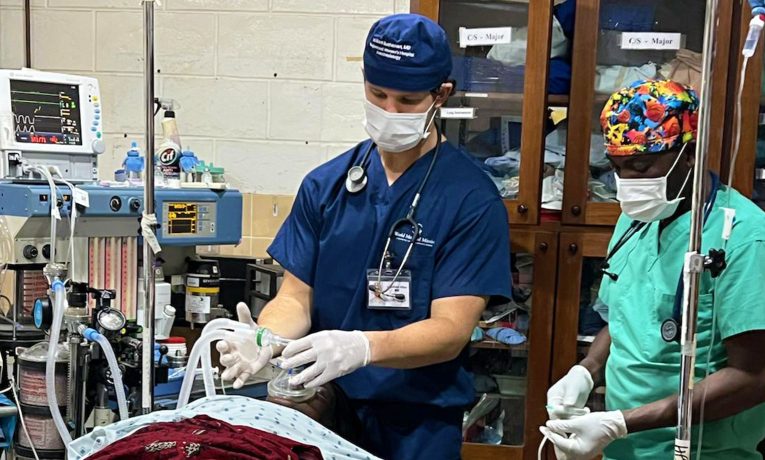
Following God’s roadmap often involves a few twists and turns, with unexpected blessings along the journey.
Already an “A” student, Will Buchanan didn’t need extra credit. But when his college professor presented the opportunity to his psychology class, Buchanan couldn’t refuse.
It was a seemingly insignificant decision that helped to shape the course of his life.
The extra credit assignment was a review of a book about an ordinary guy from a small Southern town who founded an organization that provides clean water to people in some of the poorest corners of the globe.
“It’s the story of a man who became an accidental missionary. After learning about the water crisis in Sudan, he wanted to do something, so he went into missions and serves people for God in hard places that are not in the United States,” Buchanan said.
The message of the book awakened strong feelings inside of Buchanan that he had not expected. He was in his senior year at a college in Mississippi with his sights set on applying to a medical school.
“Missions was not the plan at that point. That was for super-Christians, which I was not,” said Buchanan. “I supported other people doing it, but I had no desire.”
Months later, a college missions conference gave him a totally new perspective, and he clearly sensed God speaking to his heart, but Buchanan’s response was to wait. He maintained his focus on medical school and contemplated specializing in surgery but opted for anesthesiology.
Buchanan loves the immediacy of the operating room setting and knows that God has placed him in the right profession. “I don’t have the patience of a general practitioner or internist who may say, ‘OK, take this pill, come back in a few months, and we will see if your blood pressure is lower,’” he said. “No, as an anesthesiologist, I am going to give an IV of medicine to you right now, and then your blood pressure is going to go down.”
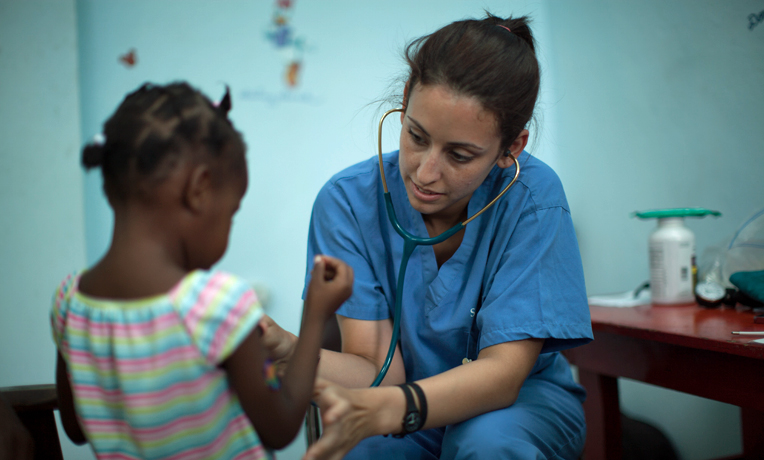
He began to envision long-term missionary service as his primary calling, integrating spiritual and medical care. At a teaching hospital in Nigeria, he worked for a month with a career missionary OB-GYN and local chaplains and learned how to effectively share his faith. During a medical school trip to Peru, he discovered how much he loved one-on-one interaction with the people who came to riverside mobile clinics.
“It quickly became apparent to me that the other medical school students on the trip enjoyed hanging out in the boat and swimming in the Amazon River,” he said. “I liked the clinics a lot more. I wanted to stay and keep doing medicine with the people.”
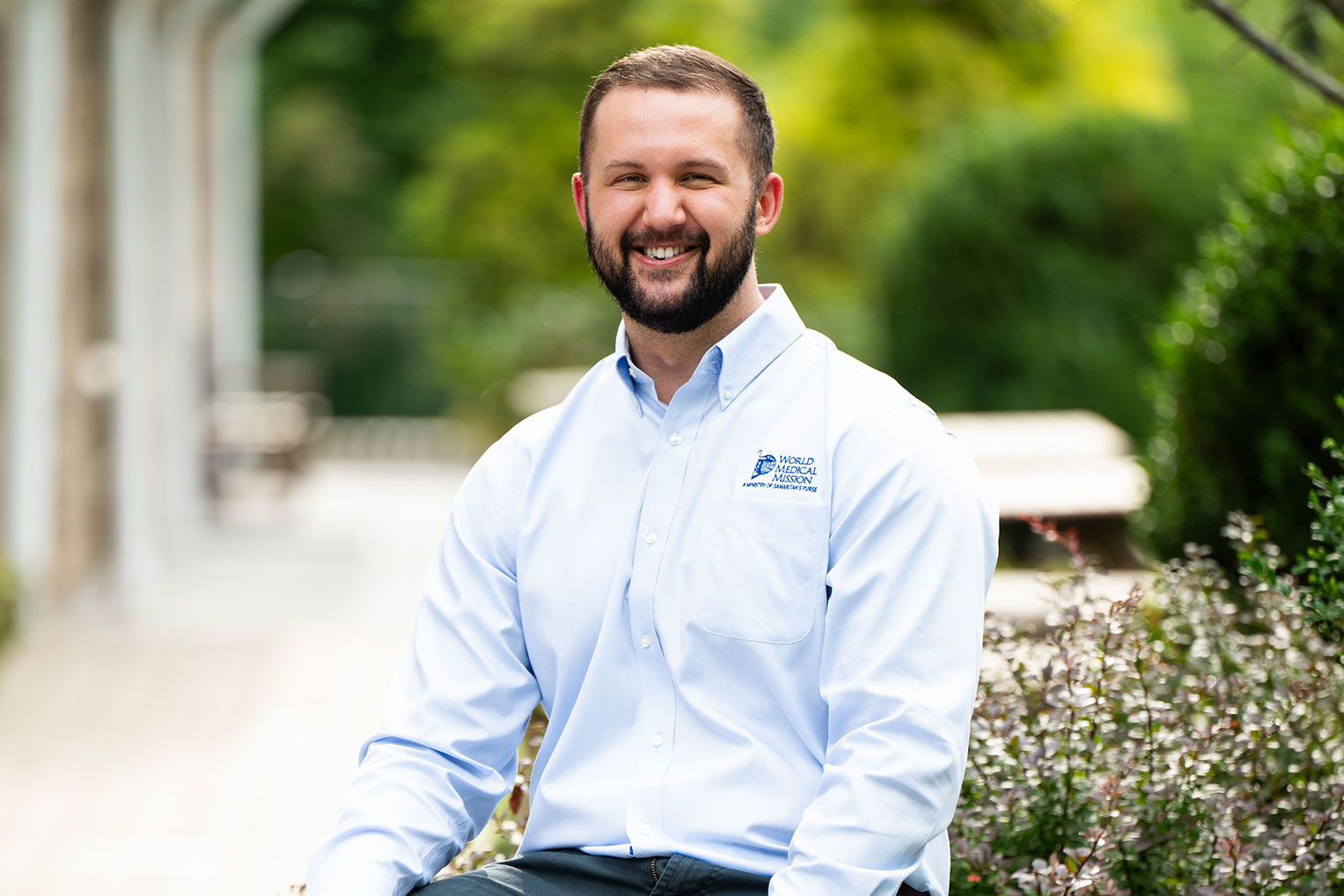
Buchanan spent eight months in French language study to prepare him for his role in Togo that began in August 2025.
In August 2025, after spending eight months in French language school, Dr. Buchanan found an established place to serve through World Medical Mission’s Post-Residency Program. His destination—Hopital Baptiste Biblique in southern Togo.
Patients, Prayer, and Pickleball
Buchanan said he is still learning the job and becoming acquainted with the culture. He is the first full-time anesthesiologist at the hospital. Previously, the hospital relied on short-term volunteers and three local anesthetists who were licensed nurses or physician assistants who received additional training in the capital city.
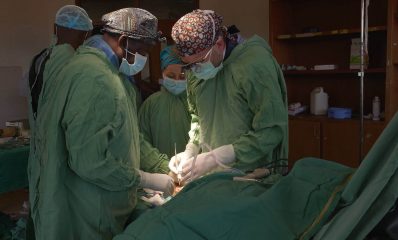
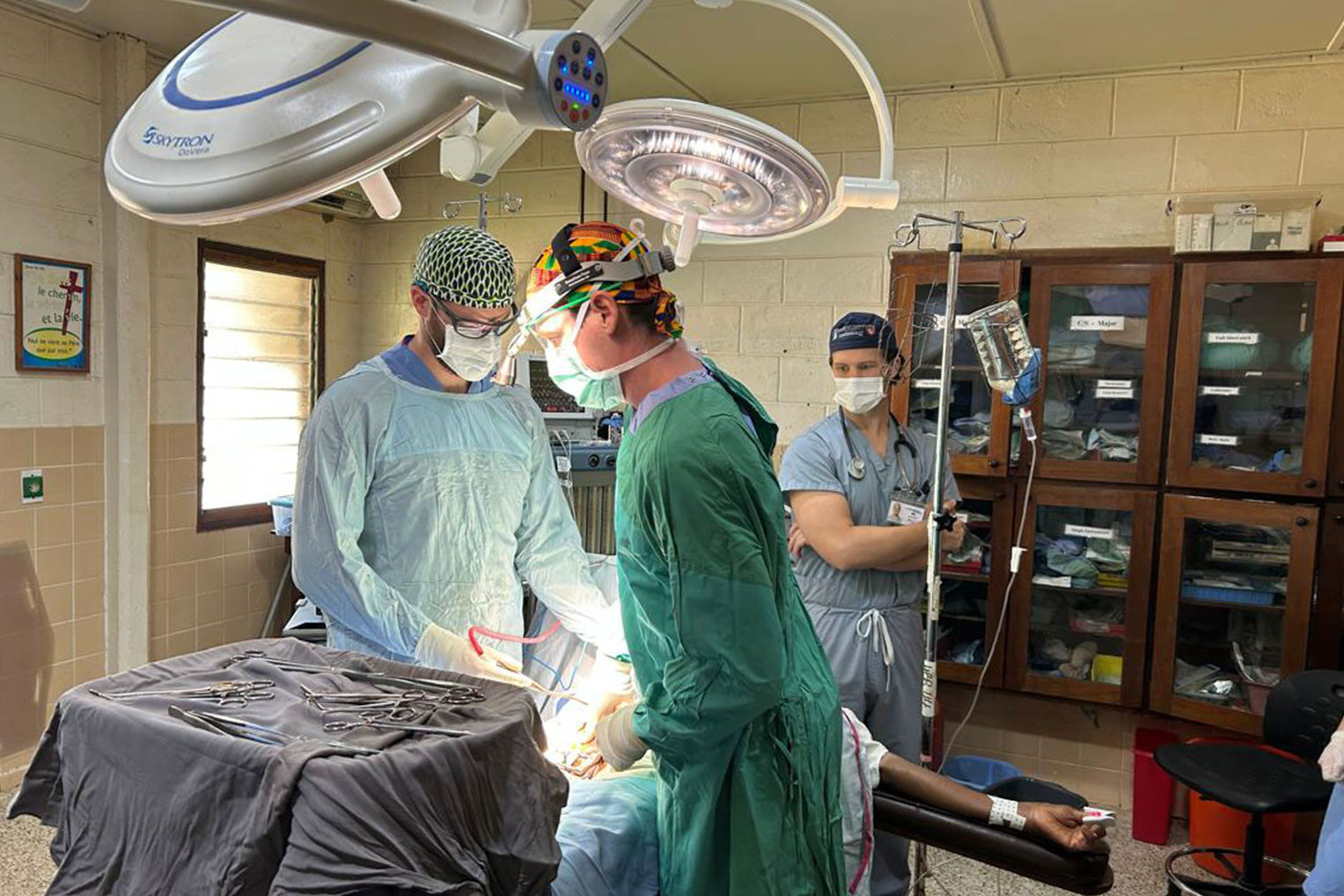
“We have two operating rooms, and when all of the other anesthetists are working, I bounce between the two rooms to supervise and help out, making sure the surgeries start well,” he said. “If any concerns come up during the surgery, I serve as a consultant.”
Because he also has experience in critical care, Buchanan has assisted surgeons and other medical staff in the treatment of patients with life-threatening situations. His responsibilities occasionally involve something he never had to do in medical school—like holding up the flashlight of his cellphone so surgeons could complete an operation during a power outage.
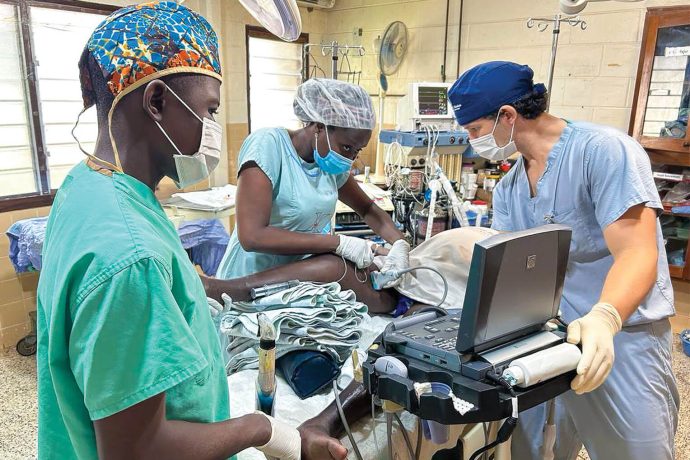
Buchanan’s roles include supervising and serving as a consultant for the Togolese anesthetists.
Most of the surgical cases he sees are similar to what he experienced during residency in Boston, with one notable exception.
“It’s very rare back home, because we have dental care. But here people get really bad tooth infections that cause airway problems,” he said. “I’ve probably seen at least ten cases here already.”
Untreated dental infections can be fatal. The infection spreads from inside the mouth and jaw and down into the neck. Surgery is required to drain the pus, which makes Buchanan’s job of inserting a breathing tube very difficult.
In a recent case, the patient’s airway was completely closed due to infection, so the surgeon had to cut into the man’s neck to insert a breathing tube.
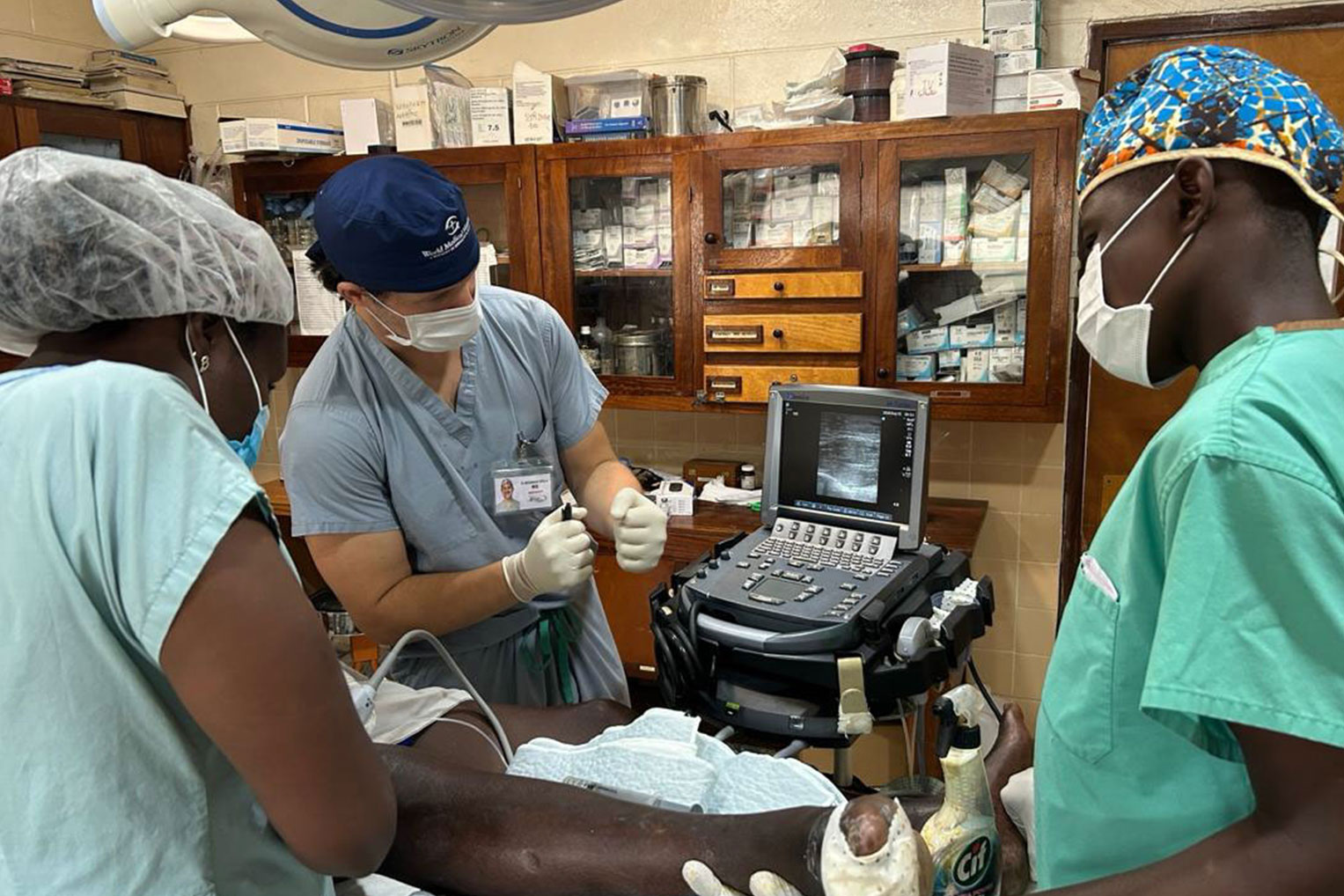
“Everything was too swollen, and we couldn’t do it from up top. Learning those cases has been terrifying,” he said.
Praise God, all of these cases have had positive outcomes thus far. The man who needed the emergency airway opening was breathing on his own a week later.
Pediatric patients involve the greatest challenge. Imagine trying to insert a breathing tube the size of a coffee stirrer.
That’s what Buchanan was tasked to accomplish with a 9-day-old infant. The little girl had a muscular blockage between her stomach and intestines that caused her to throw up milk. She was basically starving to death.
The procedure to repair the problem is not complex, but for Buchanan, there isn’t much room for error in administering the appropriate amount of anesthesia for someone so little.
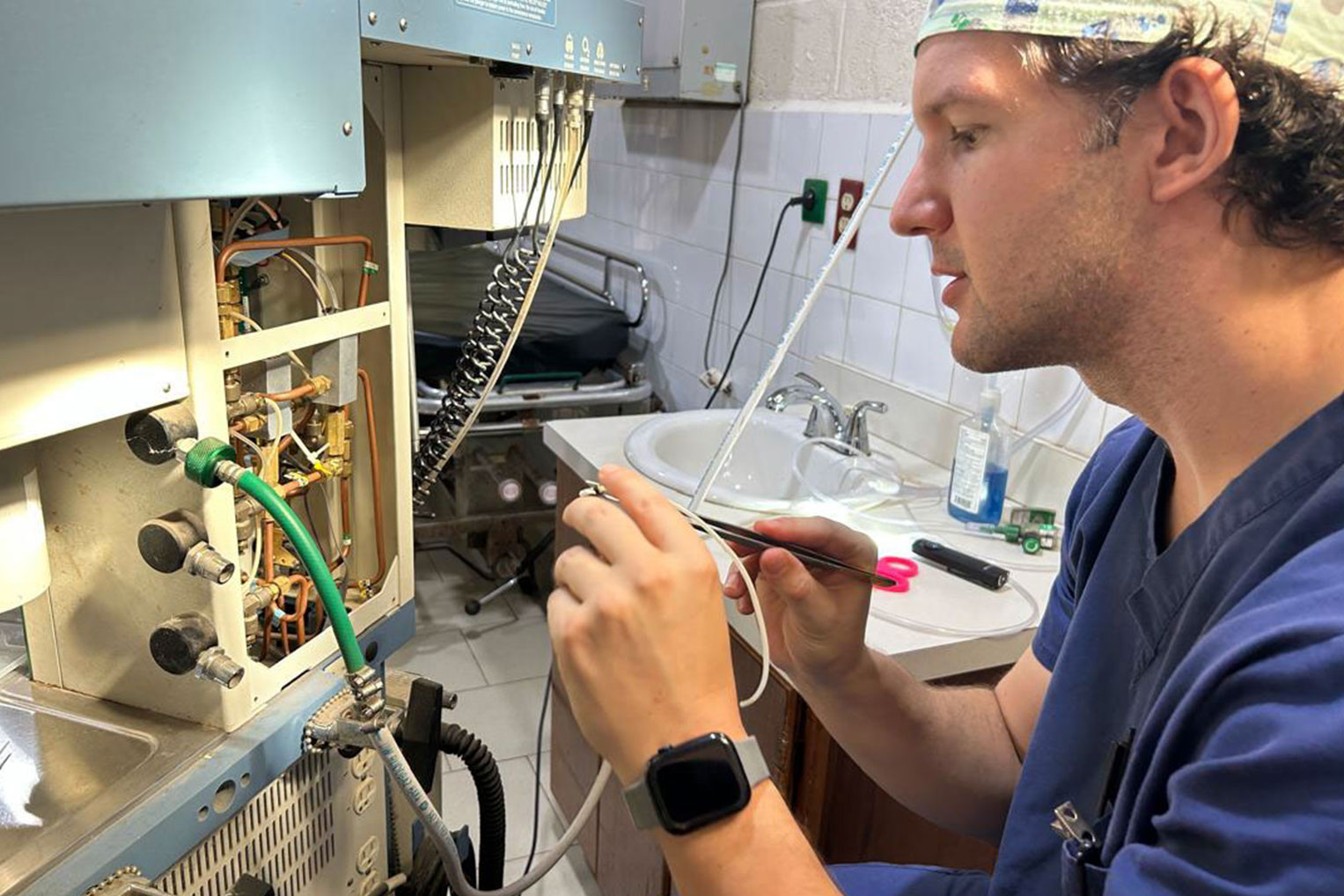
Dr. Buchanan is also skilled at repairing machines in places where medical technologists aren’t available.
“We did the girl’s case first thing in the morning, and she was starting to take a bit of breast milk that afternoon or evening,” Buchanan said. “The next day she went home. That was another instance of me saying, ‘God, please help us,’ and by His grace, she lived.”
Now that he can alleviate some of the workload of the anesthetists, Buchanan would like to see all of them invest more time in pre-operative conversations with patients. The staff does pray with patients just before their procedures, but he would like the anesthetists to have more time for Gospel-sharing opportunities.
“It can be hard for us to get any kind of face time with patients because we see them when they come to the operating room, and then we put them to sleep,” he said. “From my standpoint, it’s good if the anesthetists who speak the local language could have 20 minutes to get to talk with patients about the Gospel and pray with them.”
Buchanan counts it a wonderful blessing to be a part of a Christian community, and he enjoys working with other World Medical Mission post-residents. He said he only played pickleball once in the United States. Now he plays about four times a week. He’s also trying new foods, like the local favorite “fufu,” a soft dough made from pounded yams.
Whether they are treating patients, gathering for Bible study and prayer, or engrossed in a nail-biting round of pickleball, the missionaries are united in their purpose to bring glory to God.
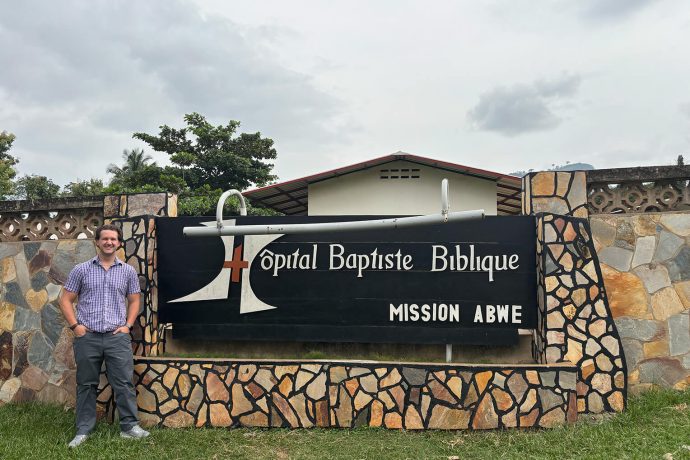
“We are all here for the same reason,” Buchanan said, noting how refreshing it is to be able to “talk about Jesus over a card game. … Everyone here wants to deepen their relationship with God, and I have been challenged in the best way to take my faith more seriously. I’m very happy to be here. It has exceeded my expectations.”